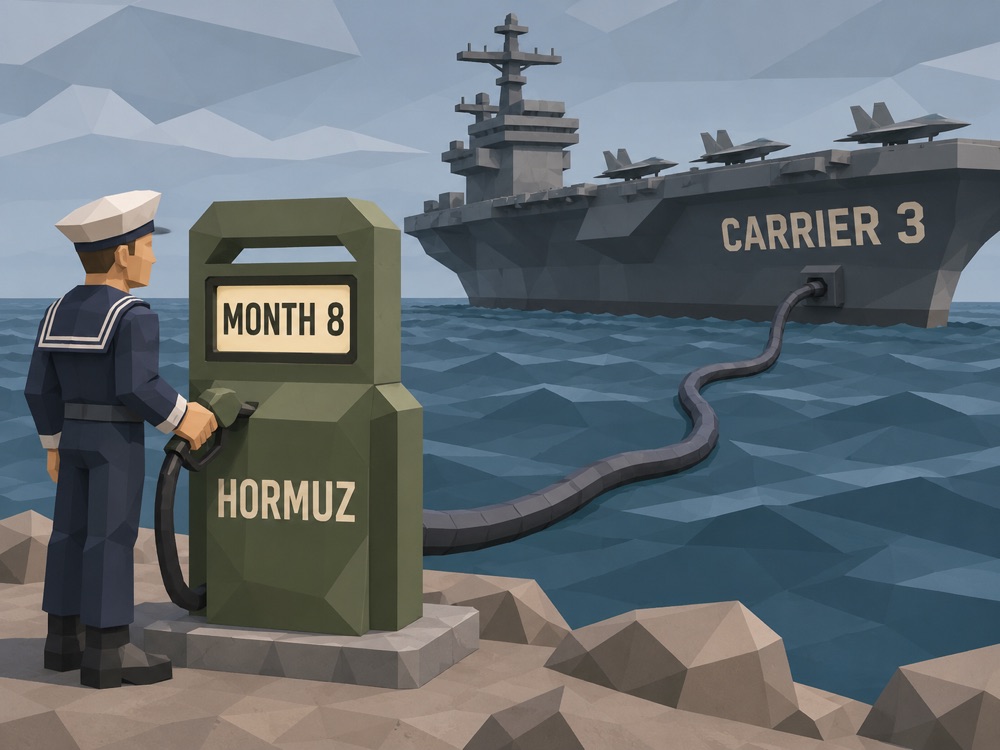


In a bold strategic shift, Iran declared its intentions to extend its missile range capabilities, potentially including intercontinental ballistic missiles (ICBMs), thus lifting a self-imposed moratorium. This move directly positions 15 U.S. military bases within striking distance, heightening tensions across the Middle East and beyond.
Amid the escalating conflict in the Middle East, marked by Israeli strikes on Iran and retaliatory missile rounds hitting Israeli cities, Iran's latest declaration may alter the strategic landscape. The announcement came as indirect talks facilitated by Pakistan continue between the U.S. and Iran, aimed at crafting a peace plan.
According to NPR, Israel launched extensive strikes on Iranian infrastructure, specifically targeting the city of Isfahan, resulting in significant damage and casualties. Iran retaliated with missile strikes on Israel and threats to extend missile range capabilities, which could potentially reach U.S. military installations in the region. While Trump extended a deadline for reopening the Strait of Hormuz, negotiations facilitated by Pakistani intermediaries explore potential resolutions.
The lifting of Iran's self-imposed missile range limit represents a significant escalation in military posture that may provoke a response from both the U.S. and its allies. The direct threat to U.S. military bases underscores the urgency of diplomatic negotiations to prevent further military ambiguities.
With Iran's potential range extension looming large, the delicate balance of deterrence in the Middle East stands on a precarious edge. The international community watches closely as diplomatic solutions are sought to avert a larger conflict.