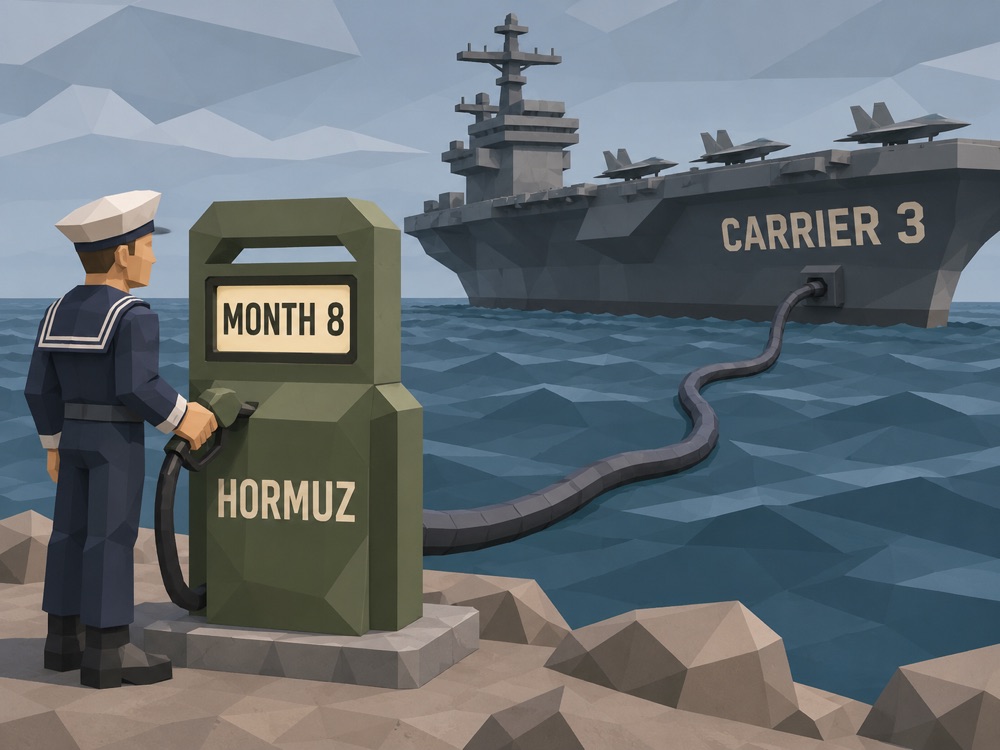

Defense Secretary Pete Hegseth has announced a new plan for major U.S. military bases to remain operational for 90 days without relying on external resources. This initiative, known as FORTRESS, aims to bolster base resilience against disruptions to power and supply chains.
In an environment marked by persistent cyber threats and geopolitical tensions, the Pentagon is enhancing military installations' self-reliance. The move parallels Britain's advisories to civilians, despite no officially acknowledged coordination or imminent conflict.
The FORTRESS plan, detailed in Hegseth's 'State of the Force' address, includes using portable nuclear reactors, battery storage, and microgrids. The Army has awarded $2.2 billion to build nuclear microreactors at bases like Fort Bragg and Fort Hood.
Extending self-sufficiency beyond electricity, the plan includes provisions for water, fuel, and communications. It requires strategic reserves and multiple supply pathways, potentially involving commercial factories in defense production to bolster readiness.
This strategic shift emphasizes the Pentagon's proactive stance on resilience, even as specific threats remain unnamed. The initiative reflects an evolving military doctrine where ensuring operational continuity in the face of infrastructure threats becomes paramount.